Gown Aprons: Gown aprons are used as an additional layer of protection, usually in situations involving heavy contamination or fluids. They are often worn over standard gowns and are made of waterproof materials such as plastic. These aprons are generally transparent or white and are disposable for single-use protection.
Lab Coats: While not typically considered gowns, lab coats are often worn in hospitals by physicians, pharmacists, and laboratory workers. These are reusable garments made from cotton or polyester blends. White is the traditional color for lab coats, symbolizing cleanliness and professionalism, although some hospitals have introduced different colors like blue or gray to distinguish departments.
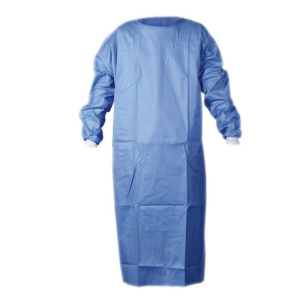
Sterile Gowns: Sterile gowns are used in surgical settings where maintaining a sterile field is crucial. These gowns are often made from tightly woven fabrics that are fluid-resistant. They are usually blue or green to reduce eye fatigue under bright lights and are available in both disposable and reusable forms.
In a hospital setting, gowns play a critical role in ensuring the safety of both patients and healthcare workers by minimizing exposure to pathogens, contaminants, and bodily fluids. Hospital gowns can be categorized into different types based on their design, usage, material, and whether they are disposable or reusable. These gowns are available in various colors to help differentiate between…
Isolation Gowns: Isolation gowns are typically worn by healthcare professionals when they are at risk of coming into contact with infectious diseases or bodily fluids. They are designed to cover most of the body and are available in both disposable and reusable varieties. Common colors include yellow, blue, and green. Yellow is most often used to denote high-risk situations, while…