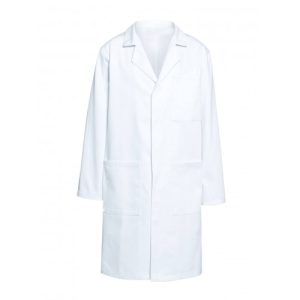
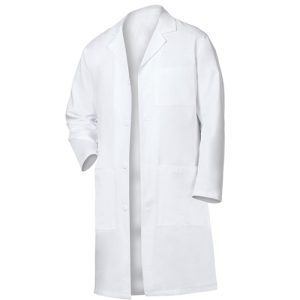
For short-term tasks or high-contamination risks, disposable lab coats made from lightweight polypropylene or polyethylene are used, particularly in biotech, pharmaceutical, and food processing industries. Additionally, high-visibility lab coats, made from fluorescent or reflective materials, are essential in environments where visibility is critical for safety.
Lab coats are essential protective clothing in laboratories, designed to protect the wearer from hazardous materials such as chemicals, biological agents, and other contaminants. Below is a list of various types of lab coats, focusing on their specific materials, purposes, and the unique benefits of acid-resistant lab coats:
Other specialized lab coats include anti-static (ESD) lab coats, made from synthetic or carbon-fiber-infused fabrics, which are used in electronics manufacturing to prevent static discharge from damaging sensitive components. Chemical-resistant lab coats, made from materials like Tyvek or treated polyester, offer broader protection against various chemicals and solvents. Biohazard lab coats, typically polyester-cotton blends with protective finishes, are used in…