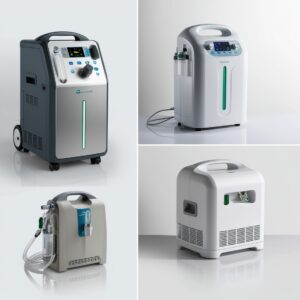
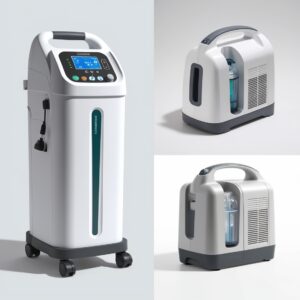
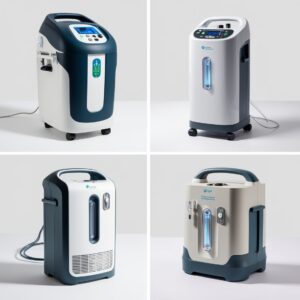
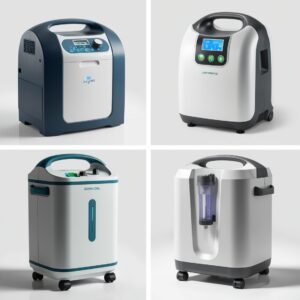
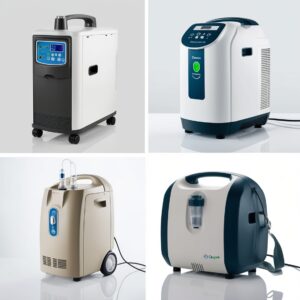
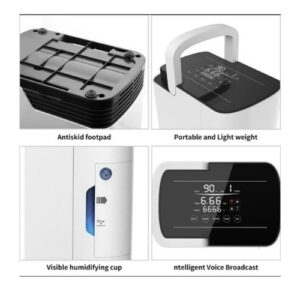
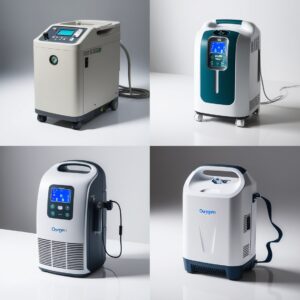
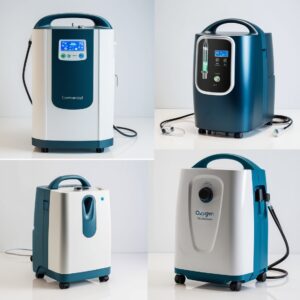
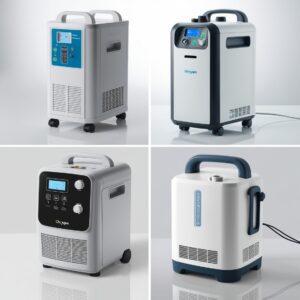
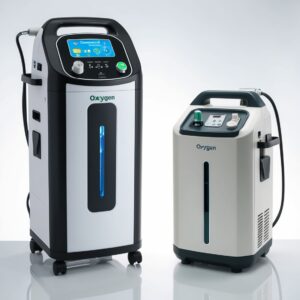
Benefits: They are battery-efficient and can be used while moving, making them ideal for active patients who need oxygen intermittently throughout the day.
Benefits: They are battery-efficient and can be Medical while moving, making them ideal for active patients who need oxygen intermittently throughout the day.
Benefits: They provide continuous oxygen flow, typically between 1 and 10 liters per minute (LPM). They are designed for long-term use but are not portable due to their size and weight.
Benefits: They provide continuous oxygen flow, typically between 1 and 10 liters per minute (LPM). They are designed for long-term use but are not portable due to their size and weight.
Benefits: Lightweight and battery-operated, they typically offer pulse-dose oxygen delivery (oxygen is supplied when the user inhales). Some models can also provide continuous flow.
Uses: These are designed for patients who also require positive airway pressure therapies (such as those with sleep apnea), in addition to supplemental oxygen.
Uses: These are designed for patients who also require positive airway pressure therapies (such as those with sleep apnea), in addition to supplemental oxygen.
Uses: These are Medical primarily for patients with chronic respiratory conditions such as chronic obstructive pulmonary disease (COPD), asthma, or emphysema. These machines are intended for home use, as they need to be plugged into an electrical outlet.
Uses: These are used primarily for patients with chronic respiratory conditions such as chronic obstructive pulmonary disease (COPD), asthma, or emphysema. These machines are intended for home use, as they need to be plugged into an electrical outlet.
Uses: These devices are used for patients with severe respiratory conditions who need a higher flow rate of oxygen (typically over 10 LPM). They are generally hospital-grade machines but can be found in some home settings for patients with advanced diseases.
Uses: These devices are Medical for patients with severe respiratory conditions who need a higher flow rate of oxygen (typically over 10 LPM). They are generally hospital-grade machines but can be found in some home settings for patients with advanced diseases.
Uses: These provide a constant flow of oxygen, regardless of whether the user is inhaling or exhaling. They are mostly found in stationary models and are beneficial for patients who require higher oxygen levels or a steady supply.
Uses: These provide a constant flow of oxygen, regardless of whether the user is inhaling or exhaling. They are mostly found in stationary models and are beneficial for patients who require higher oxygen levels or a steady supply.
Uses: These are designed for patients who also require positive airway pressure therapies (such as those with sleep apnea), in addition to supplemental oxygen.