
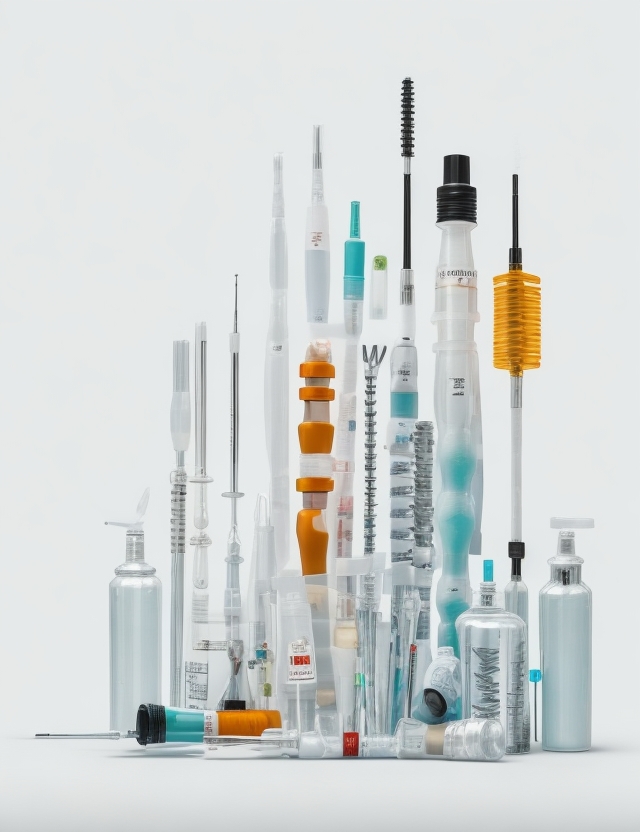
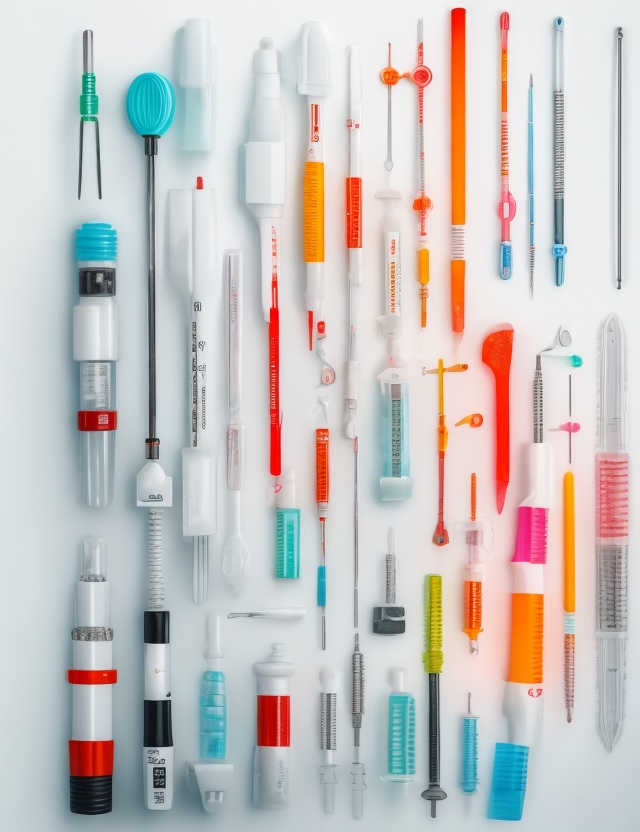
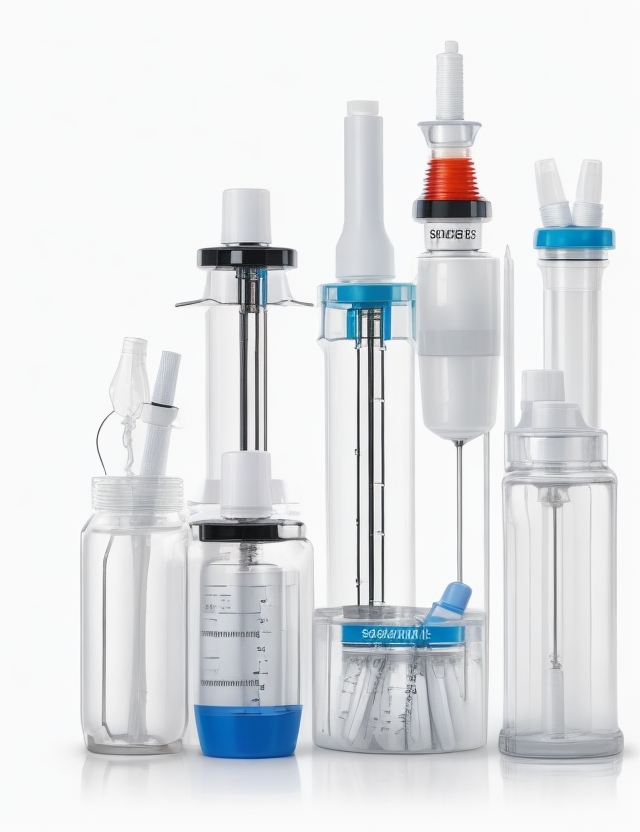
eco-matic 12.5-ml luer-lock syringe with tubemedical
R134.70 Ex VAT
Hypodermic Needles 20G x 1 1/2
Description
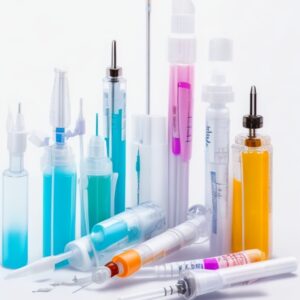
Hypodermic Syringe and Needle
- Description: Standard syringe with a hypodermic needle.
- Use: Used for injecting medications directly into the bloodstream or muscle and for drawing blood.
- Features: Available in varying sizes (1 ml to 60 ml), often with luer lock tips to secure the needle.
2. Insulin Syringe
- Description: Small, precise syringe, usually 1 ml or less, with fine needles.
- Use: Designed for subcutaneous injection of insulin in diabetic patients.
- Features: Thin needles (28 to 31 gauge) to minimize pain; labeled in insulin units.
3. Tuberculin Syringe
- Description: 1 ml syringe with a fine needle.
- Use: Primarily for administering tuberculosis (TB) tests or small-dose medications.
- Features: Fine calibration, often in 0.01 ml increments for precise dosing.
4. Intravenous (IV) Syringe
- Description: Large syringes (5 ml to 60 ml) used with IV equipment.
- Use: For injecting fluids or medications directly into IV lines.
- Features: Often paired with blunt-tip needles or luer lock for secure IV line attachment.
5. Safety Syringe
- Description: Syringe with a retractable needle or shield mechanism.
- Use: Prevents needlestick injuries, commonly used for intramuscular and subcutaneous injections.
- Features: Needle retracts or is covered after use, providing added safety.
6. Catheter Tip Syringe
- Description: Syringe with a tapered tip instead of a needle.
- Use: For irrigating wounds, flushing catheters, or administering tube feedings.
- Features: Soft, rounded tip designed to fit catheter tubing.
7. Prefilled Syringe
- Description: Single-use syringe preloaded with medication.
- Use: Convenient for emergency situations and vaccinations.
- Features: Reduces risk of dosing errors, often used with anticoagulants or vaccines.
8. Leur Lock Syringe
- Description: Syringe with a threaded tip to secure the needle.
- Use: Used where needle detachment could pose risks, common in injections and IV procedures.
- Features: Provides a secure connection to prevent needle dislodgement.
9. Oral Syringe
- Description: Needle-free syringe used for measuring liquid medications.
- Use: For administering oral medications, especially in pediatric and geriatric patients.
- Features: Color-coded (often orange) to differentiate from injection syringes.
10. Spinal Needle
- Description: Thin, long needle used in conjunction with a syringe.
- Use: For spinal taps, lumbar punctures, or administering spinal anesthesia.
- Features: Fine gauge to minimize trauma and specialized for accurate placement.
11. Filter Needle
- Description: Needle with a built-in filter to trap particulates.
- Use: Used when drawing medication from ampoules to prevent glass particles from entering.
- Features: Designed to prevent contamination, essential in sterile environments.
12. Blunt Fill Needle
- Description: Blunt-tipped needle with a wide diameter.
- Use: For drawing up medications from vials, not for injections.
- Features: Minimizes risk of needlestick injury and preserves the sharpness of injection needles.
13. Blood Collection Needle
- Description: Double-ended needle used with vacutainer systems.
- Use: Primarily for phlebotomy, allowing for multiple blood samples without needle removal.
- Features: Allows quick sample changes without needle reinsertion.
14. Butterfly Needle
- Description: Needle with two plastic wings for easy grip.
- Use: Used for drawing blood or short-term IV infusions, especially in small veins.
- Features: Wings offer better control and reduced vein trauma.
15. Epidural Needle
- Description: Large-bore, curved-tip needle used in conjunction with a syringe.
- Use: For administering anesthesia into the epidural space, common in labor and pain management.
- Features: Specialized for epidural placement with a catheter for continuous medication delivery.
16. Auto-disable (AD) Syringe
- Description: Syringe designed for single use with a self-destruct mechanism.
- Use: Used mainly for vaccination programs to prevent reuse.
- Features: Built-in lock that disables the syringe after one use.
17. Aspiration Needle
- Description: Fine needle, often long and thin.
- Use: For drawing fluids or cells from tissues (e.g., cysts or abscesses).
- Features: Thin diameter, available in various lengths depending on the target tissue depth.
18. Micro-Fine Needle
- Description: Extremely thin needle, usually attached to insulin or subcutaneous syringes.
- Use: For delicate injections where minimal pain and trauma are necessary, like in insulin injections.
- Features: Smaller gauge (30 to 32 gauge) for minimal pain on insertion.
19. Angiographic Needle
- Description: Thin, long needle used for vascular access.
- Use: Often used in angiography for inserting catheters into blood vessels.
- Features: Designed for high precision with minimal tissue trauma, commonly with an echogenic tip for ultrasound guidance.
20. Irrigation Syringe
- Description: Large syringe without a needle, often a bulb or piston style.
- Use: Primarily for wound irrigation, ear cleaning, or oral rinsing.
- Features: Non-needle tip with a gentle spray mechanism to prevent tissue damage.
Hypodermic Needles 20G x 1 1/2
Related products
-
- Syringes & Needles
5 8 inch needle
- R89.30 Ex VAT
- Add to cart
Reviews
There are no reviews yet.