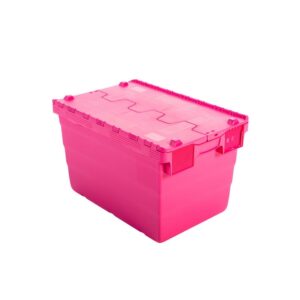
Plastic security container with a 2-part hinged lidVolume: 52LWeight loading 180kgOptional thumb seal available (GLS-TE1)Nestable and StackableEasy carry handles on both short dimensionsExternal Dimensions: 600 (L) x 400 (W) x 320 (H) mmColour: PinkItem delivery usually 3 - 6 working days
Locally Produced Tee-Shirts±180gms Single Jersey Knit, Crew Neck (or) V-Neck Softtrim. Long or Short sleeve 180g Natural Unprocessed Cotton 160g Bamboo (70:30 Cotton) 160g Recycled PET (soft drink bottles) Minimum Order Quantity: 100 – Natural Unprocessed Cotton 100 – Bamboo 100 – Recycled PET (the above is based on our stock holding of the respective fabrics, if none the MOQ…
The United Floodlight LED 100W is a Hight Quality lighting solution designed to illuminate outdoor spaces with ease. With its powerful 100 watt LED and 8000 lumens of brightness; this floodlight delivers a clear and efficient cool white light at a color temperature of 6500 Kelvin.Key Features:Wattage: 100WColor Temperature: 6500K (cool white)IP Rating: IP66 (weatherproof and dust tight)Lumens: 8000lm Lifespan:…
Radiation Protection Lab Coat: Used in environments where there is exposure to ionizing radiation, such as X-rays or radioactive materials, radiation protection lab coats are made from specialized materials that can attenuate or shield against radiation. These lab coats are designed to limit radiation exposure to personnel and are often worn in medical imaging facilities, nuclear medicine departments, and research…
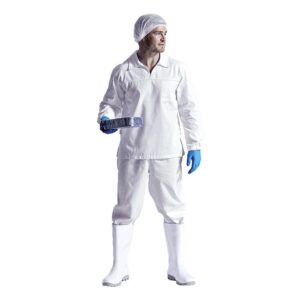
Cut-away necklineAvailable only in long sleevesFront yokeInner chest pocket with pen slotBar-tacking on all pressure pointsFood processing jacketSingle top-stitching throughout½ Elasticated cuffsSide slits225g 65/35 Poly Cotton – Available in:White or Red
Lab coats come in various types, each designed to meet specific needs in different environments. Here are six types of lab coats commonly used: Standard Lab Coat: This is the most traditional lab coat, typically made from cotton or a polyester-cotton blend. It features long sleeves, button closures, and is knee-length. Standard lab coats provide basic protection against spills and…
Radiation Protection Lab Coat: Used in environments where there is exposure to ionizing radiation, such as X-rays or radioactive materials, radiation protection lab coats are made from specialized materials that can attenuate or shield against radiation. These lab coats are designed to limit radiation exposure to personnel and are often worn in medical imaging facilities, nuclear medicine departments, and research…
Radiation Protection Lab Coat: Used in environments where there is exposure to ionizing radiation, such as X-rays or radioactive materials, radiation protection lab coats are made from specialized materials that can attenuate or shield against radiation. These lab coats are designed to limit radiation exposure to personnel and are often worn in medical imaging facilities, nuclear medicine departments, and research…
Each type of lab coat is chosen based on the specific hazards and requirements of the work environment. Selecting the appropriate lab coat ensures the safety and protection of laboratory personnel while also maintaining compliance with regulatory standards and Medical practices in laboratory safety.
Chemical-Resistant Lab Coat: These lab coats are specifically designed to provide protection against chemical splashes and spills. They are made from materials such as polyethylene, polyvinyl chloride (PVC), or other synthetic materials that offer resistance to a wide range of chemicals. Chemical-resistant lab coats are essential in laboratories where handling hazardous chemicals or biological materials is routine. They often feature…
Antistatic Lab Coat: Antistatic lab coats are made from materials that help dissipate static electricity, reducing the risk of electrostatic discharge (ESD) that could damage sensitive electronic components or ignite flammable substances. They are commonly used in electronics manufacturing, semiconductor industries, and any environment where static control is crucial. Antistatic lab coats are often treated with carbon fibers or other…