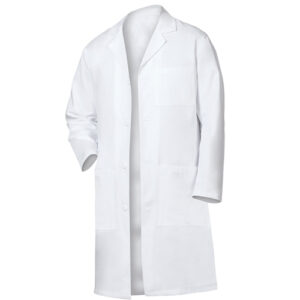
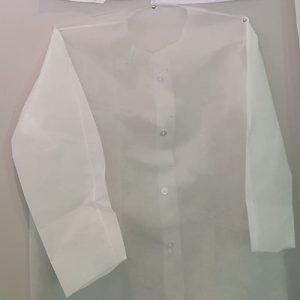
Antistatic Lab Coat: Antistatic lab coats are made from materials that help dissipate static electricity, reducing the risk of electrostatic discharge (ESD) that could damage sensitive electronic components or ignite flammable substances. They are commonly used in electronics manufacturing, semiconductor industries, and any environment where static control is crucial. Antistatic lab coats are often treated with carbon fibers or other…
Lab coats come in various types, each designed to meet specific needs in different environments. Here are six types of lab coats commonly used: Standard Lab Coat: This is the most traditional lab coat, typically made from cotton or a polyester-cotton blend. It features long sleeves, button closures, and is knee-length. Standard lab coats provide basic protection against spills and…
Lab coats come in various types, each designed to meet specific needs in different environments. Here are six types of lab coats commonly used: Standard Lab Coat: This is the most traditional lab coat, typically made from cotton or a polyester-cotton blend. It features long sleeves, button closures, and is knee-length. Standard lab coats provide basic protection against spills and…
Radiation Protection Lab Coat: Used in environments where there is exposure to ionizing radiation, such as X-rays or radioactive materials, radiation protection lab coats are made from specialized materials that can attenuate or shield against radiation. These lab coats are designed to limit radiation exposure to personnel and are often worn in medical imaging facilities, nuclear medicine departments, and research…
Radiation Protection Lab Coat: Used in environments where there is exposure to ionizing radiation, such as X-rays or radioactive materials, radiation protection lab coats are made from specialized materials that can attenuate or shield against radiation. These lab coats are designed to limit radiation exposure to personnel and are often worn in medical imaging facilities, nuclear medicine departments, and research…