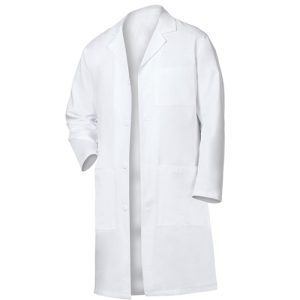
Lab coats come in various types, each designed to meet specific needs in different environments. Here are six types of lab coats commonly used: Standard Lab Coat: This is the most traditional lab coat, typically made from cotton or a polyester-cotton blend. It features long sleeves, button closures, and is knee-length. Standard lab coats provide basic protection against spills and…
Radiation Protection Lab Coat: Used in environments where there is exposure to ionizing radiation, such as X-rays or radioactive materials, radiation protection lab coats are made from specialized materials that can attenuate or shield against radiation. These lab coats are designed to limit radiation exposure to personnel and are often worn in medical imaging facilities, nuclear medicine departments, and research…
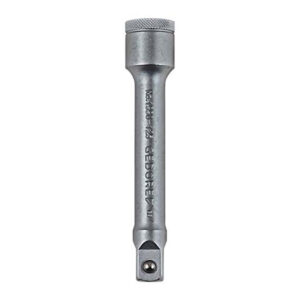
The GEDORE BLUE 1/2 inch Socket Extension (125 mm) is designed to provide extra reach and versatility when working with hand-operated sockets and accessories. Manufactured in accordance with DIN 3123 and ISO 3316 standards. this extension bar ensures compatibility and dependable performance across a range of mechanical and automotive applications. * Crafted from high-quality chrome-vanadium steel (31CrV3). the extension offers…
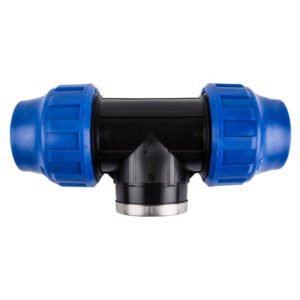
Tee compression female 50 x2 suitable for use with HD polyethylene pipe. Compression fittings are designed for a wide range of pipe sizes from 16mm to 110mm manufactured to ISO standards. The perfect seal is achieved by the rubber O-ring ensuring complete water tightness whether the pipe is bent or straight. These fittings perform well in high-pressure applications with resistance…
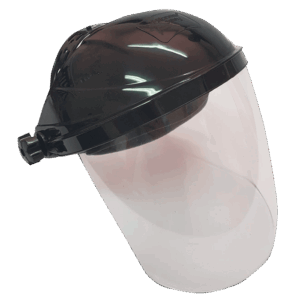
Polycarbonate visor• Thickness: 2mm• Size: 190mm x 210mm• Application: impact resistant, dust isolation, chemicalsplash isolation• High impact 120m/s• Anti UV 380, high temperature resistant 180°C• One size fits all• Brow guard with adjustable headbandLead time on some products are 1-2 weeks.
Polycarbonate visor• Thickness: 2mm• Size: 190mm x 210mm• Application: impact resistant, dust isolation, chemicalsplash isolation• High impact 120m/s• Anti UV 380, high temperature resistant 180°C• One size fits all• Brow guard with adjustable headbandLead time on some products are 1-2 weeks.
Antistatic Lab Coat: Antistatic lab coats are made from materials that help dissipate static electricity, reducing the risk of electrostatic discharge (ESD) that could damage sensitive electronic components or ignite flammable substances. They are commonly used in electronics manufacturing, semiconductor industries, and any environment where static control is crucial. Antistatic lab coats are often treated with carbon fibers or other…
Recycled Polypropylene NotepadsMade from Recycled Retail Packaging (PP) and Paper Product Dimensions: A7 to A5 Minimum Order Quantity: 250 Local Stock can warrant any lower quantities (restrictions apply to stock levels) Colours Available: Branding Details: Screen Printed As standard we use 80gsm 100% Recycled Lined Paper Print Area: within ±5mm of the edge
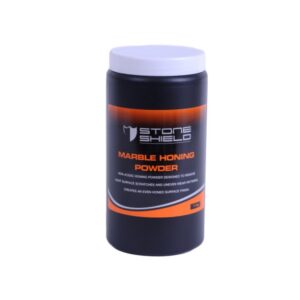
Removes light etch marks and scratchesSuitable on marble, travertine and limestoneCapacity: 1kgItem delivery usually 3 - 6 working daysReturn Restrictions applicable - see Shipping and Returns T&C's
Removes light etch marks and scratchesSuitable on marble, travertine and limestoneCapacity: 1kgItem delivery usually 3 - 6 working daysReturn Restrictions applicable - see Shipping and Returns T&C's
Radiation Protection Lab Coat: Used in environments where there is exposure to ionizing radiation, such as X-rays or radioactive materials, radiation protection lab coats are made from specialized materials that can attenuate or shield against radiation. These lab coats are designed to limit radiation exposure to personnel and are often worn in medical imaging facilities, nuclear medicine departments, and research…
Chemical-Resistant Lab Coat: These lab coats are specifically designed to provide protection against chemical splashes and spills. They are made from materials such as polyethylene, polyvinyl chloride (PVC), or other synthetic materials that offer resistance to a wide range of chemicals. Chemical-resistant lab coats are essential in laboratories where handling hazardous chemicals or biological materials is routine. They often feature…
Chemical-Resistant Lab Coat: These lab coats are specifically designed to provide protection against chemical splashes and spills. They are made from materials such as polyethylene, polyvinyl chloride (PVC), or other synthetic materials that offer resistance to a wide range of chemicals. Chemical-resistant lab coats are essential in laboratories where handling hazardous chemicals or biological materials is routine. They often feature…
Antistatic Lab Coat: Antistatic lab coats are made from materials that help dissipate static electricity, reducing the risk of electrostatic discharge (ESD) that could damage sensitive electronic components or ignite flammable substances. They are commonly used in electronics manufacturing, semiconductor industries, and any environment where static control is crucial. Antistatic lab coats are often treated with carbon fibers or other…
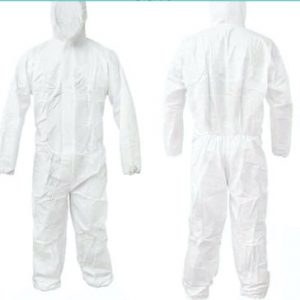
Disposable Lab Coat: Made from lightweight, disposable materials such as polypropylene or other synthetic fabrics, disposable lab coats are designed for single-use applications. They are often used in environments where contamination control is critical, such as cleanrooms and certain medical procedures. Disposable lab coats are convenient and reduce the risk of cross-contamination between different work areas or experiments.
Lab coats come in various types, each designed to meet specific needs in different environments. Here are six types of lab coats commonly used: Standard Lab Coat: This is the most traditional lab coat, typically made from cotton or a polyester-cotton blend. It features long sleeves, button closures, and is knee-length. Standard lab coats provide basic protection against spills and…
Radiation Protection Lab Coat: Used in environments where there is exposure to ionizing radiation, such as X-rays or radioactive materials, radiation protection lab coats are made from specialized materials that can attenuate or shield against radiation. These lab coats are designed to limit radiation exposure to personnel and are often worn in medical imaging facilities, nuclear medicine departments, and research…
Radiation Protection Lab Coat: Used in environments where there is exposure to ionizing radiation, such as X-rays or radioactive materials, radiation protection lab coats are made from specialized materials that can attenuate or shield against radiation. These lab coats are designed to limit radiation exposure to personnel and are often worn in medical imaging facilities, nuclear medicine departments, and research…
Each type of lab coat is chosen based on the specific hazards and requirements of the work environment. Selecting the appropriate lab coat ensures the safety and protection of laboratory personnel while also maintaining compliance with regulatory standards and Medical practices in laboratory safety.
Each type of lab coat is chosen based on the specific hazards and requirements of the work environment. Selecting the appropriate lab coat ensures the safety and protection of laboratory personnel while also maintaining compliance with regulatory standards and Medical practices in laboratory safety.
Each type of lab coat is chosen based on the specific hazards and requirements of the work environment. Selecting the appropriate lab coat ensures the safety and protection of laboratory personnel while also maintaining compliance with regulatory standards and Medical practices in laboratory safety.
Each type of lab coat is chosen based on the specific hazards and requirements of the work environment. Selecting the appropriate lab coat ensures the safety and protection of laboratory personnel while also maintaining compliance with regulatory standards and Medical practices in laboratory safety.
Radiation Protection Lab Coat: Used in environments where there is exposure to ionizing radiation, such as X-rays or radioactive materials, radiation protection lab coats are made from specialized materials that can attenuate or shield against radiation. These lab coats are designed to limit radiation exposure to personnel and are often worn in medical imaging facilities, nuclear medicine departments, and research…
Radiation Protection Lab Coat: Used in environments where there is exposure to ionizing radiation, such as X-rays or radioactive materials, radiation protection lab coats are made from specialized materials that can attenuate or shield against radiation. These lab coats are designed to limit radiation exposure to personnel and are often worn in medical imaging facilities, nuclear medicine departments, and research…
Chemical-Resistant Lab Coat: These lab coats are specifically designed to provide protection against chemical splashes and spills. They are made from materials such as polyethylene, polyvinyl chloride (PVC), or other synthetic materials that offer resistance to a wide range of chemicals. Chemical-resistant lab coats are essential in laboratories where handling hazardous chemicals or biological materials is routine. They often feature…
Chemical-Resistant Lab Coat: These lab coats are specifically designed to provide protection against chemical splashes and spills. They are made from materials such as polyethylene, polyvinyl chloride (PVC), or other synthetic materials that offer resistance to a wide range of chemicals. Chemical-resistant lab coats are essential in laboratories where handling hazardous chemicals or biological materials is routine. They often feature…
Chemical-Resistant Lab Coat: These lab coats are specifically designed to provide protection against chemical splashes and spills. They are made from materials such as polyethylene, polyvinyl chloride (PVC), or other synthetic materials that offer resistance to a wide range of chemicals. Chemical-resistant lab coats are essential in laboratories where handling hazardous chemicals or biological materials is routine. They often feature…
Chemical-Resistant Lab Coat: These lab coats are specifically designed to provide protection against chemical splashes and spills. They are made from materials such as polyethylene, polyvinyl chloride (PVC), or other synthetic materials that offer resistance to a wide range of chemicals. Chemical-resistant lab coats are essential in laboratories where handling hazardous chemicals or biological materials is routine. They often feature…
Antistatic Lab Coat: Antistatic lab coats are made from materials that help dissipate static electricity, reducing the risk of electrostatic discharge (ESD) that could damage sensitive electronic components or ignite flammable substances. They are commonly used in electronics manufacturing, semiconductor industries, and any environment where static control is crucial. Antistatic lab coats are often treated with carbon fibers or other…
Flame-Resistant Lab Coat: These lab coats are made from materials that are inherently flame-resistant or treated with flame-retardant chemicals. They are used in laboratories where there is a risk of exposure to open flames or sparks, such as those working with flammable chemicals or in industrial settings. Flame-resistant lab coats provide an added layer of safety against accidental fires and…
Disposable Lab Coat: Made from lightweight, disposable materials such as polypropylene or other synthetic fabrics, disposable lab coats are designed for single-use applications. They are often used in environments where contamination control is critical, such as cleanrooms and certain medical procedures. Disposable lab coats are convenient and reduce the risk of cross-contamination between different work areas or experiments.
Lab coats come in various types, each designed to meet specific needs in different environments. Here are six types of lab coats commonly used: Standard Lab Coat: This is the most traditional lab coat, typically made from cotton or a polyester-cotton blend. It features long sleeves, button closures, and is knee-length. Standard lab coats provide basic protection against spills and…
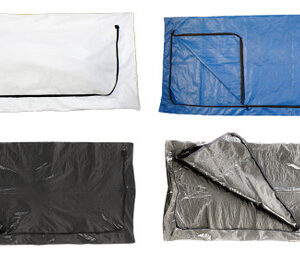
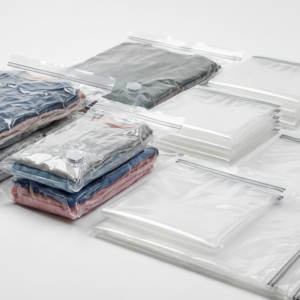
Vacuum Bags For Vacuum Sealer for wholesale supply in South Africa. Ideal for packing, storage, and safe handling across farms, food processing, retail, and warehouses.
Select options
This product has multiple variants. The options may be chosen on the product page